News
New audio project brings unheard wartimes stories to life from Orkney's famous natural harbour
6 October 2026
Scapa Flow Museum has announced the official launch of ‘Voices from Scapa Flow’, an ambitious new audio project revealing what life was really like for the residents, service personnel and workers stationed at one of the world’s greatest natural harbours during the First and Second World Wars.
The project is a Highlands and Islands Digital Heritage Network initiative, delivered in partnership with The Space, a not-for-profit digital agency for the arts, heritage and culture sector, and Museums and Heritage Highland. The project is funded by The National Lottery Heritage Fund, thanks to National Lottery players.
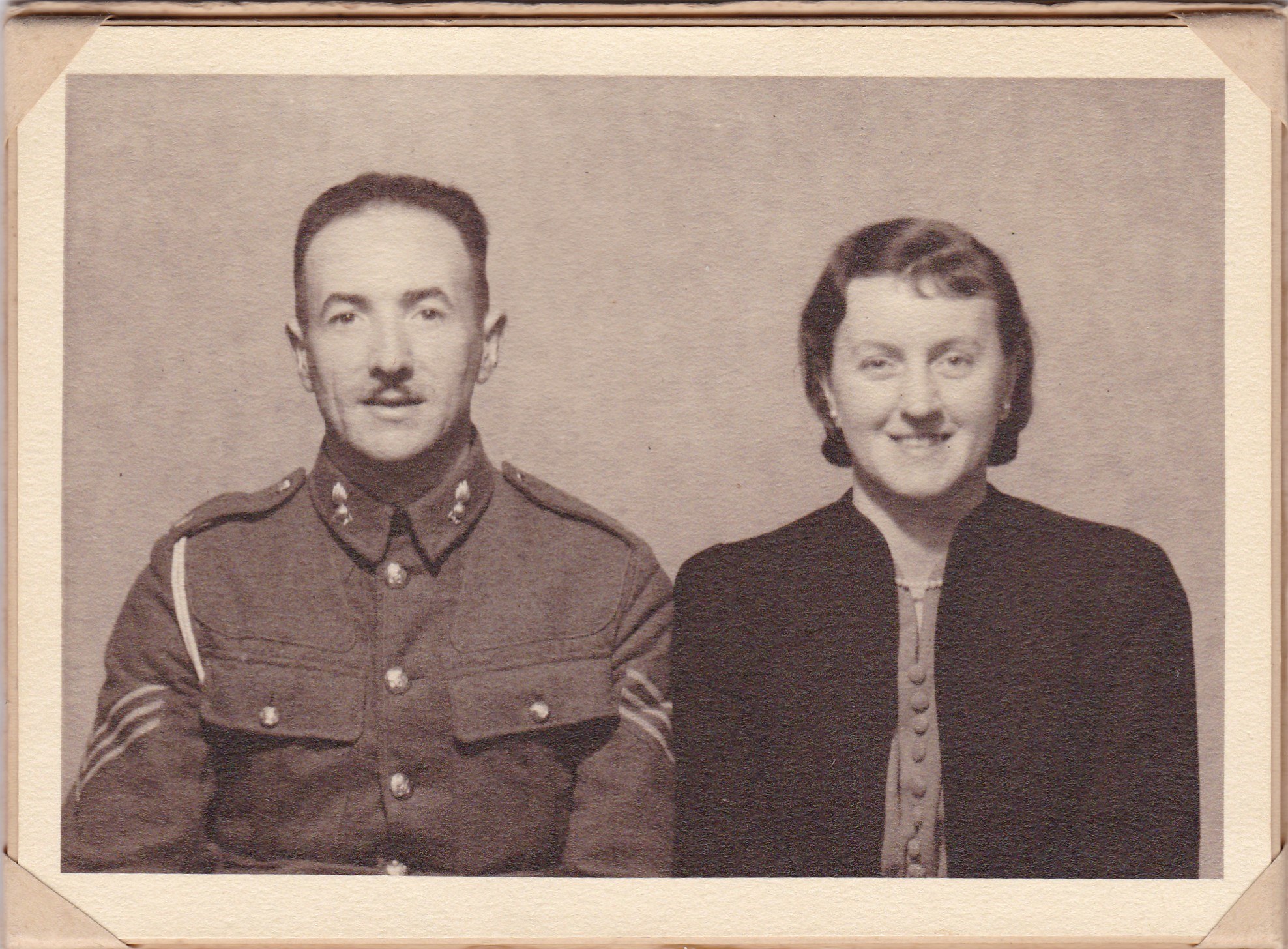
Through digital storytelling, ‘Voices from Scapa Flow’ brings the stories of this remote island community to audiences around the world. Produced by Adventurous Audio, the collection features between 40 and 50 audio stories. Ranging from five to 15 minutes in length, the series combines newly recorded interviews, newly digitised archive sound, and readings from personal diaries and letters, some made public for the very first time.
With Scapa Flow Museum on Hoy facing challenging travel conditions and limited annual ferry capacity, the project provides a new way for people to discover and experience the voices of those who lived and worked around Scapa Flow during the First and Second World Wars, from history enthusiasts to descendants of service personnel stationed in Orkney, through digital storytelling.
Ellen Pesci, Scapa Flow Museum curator, commented:
“Launching Voices from Scapa Flow on 14 October is particularly significant, as it coincides with the anniversary of the sinking of HMS Royal Oak in Scapa Flow in 1939. We wanted to honour this important part of Orkney’s history while also bringing to life the personal experiences of those who lived and worked here during the First and Second World Wars.”
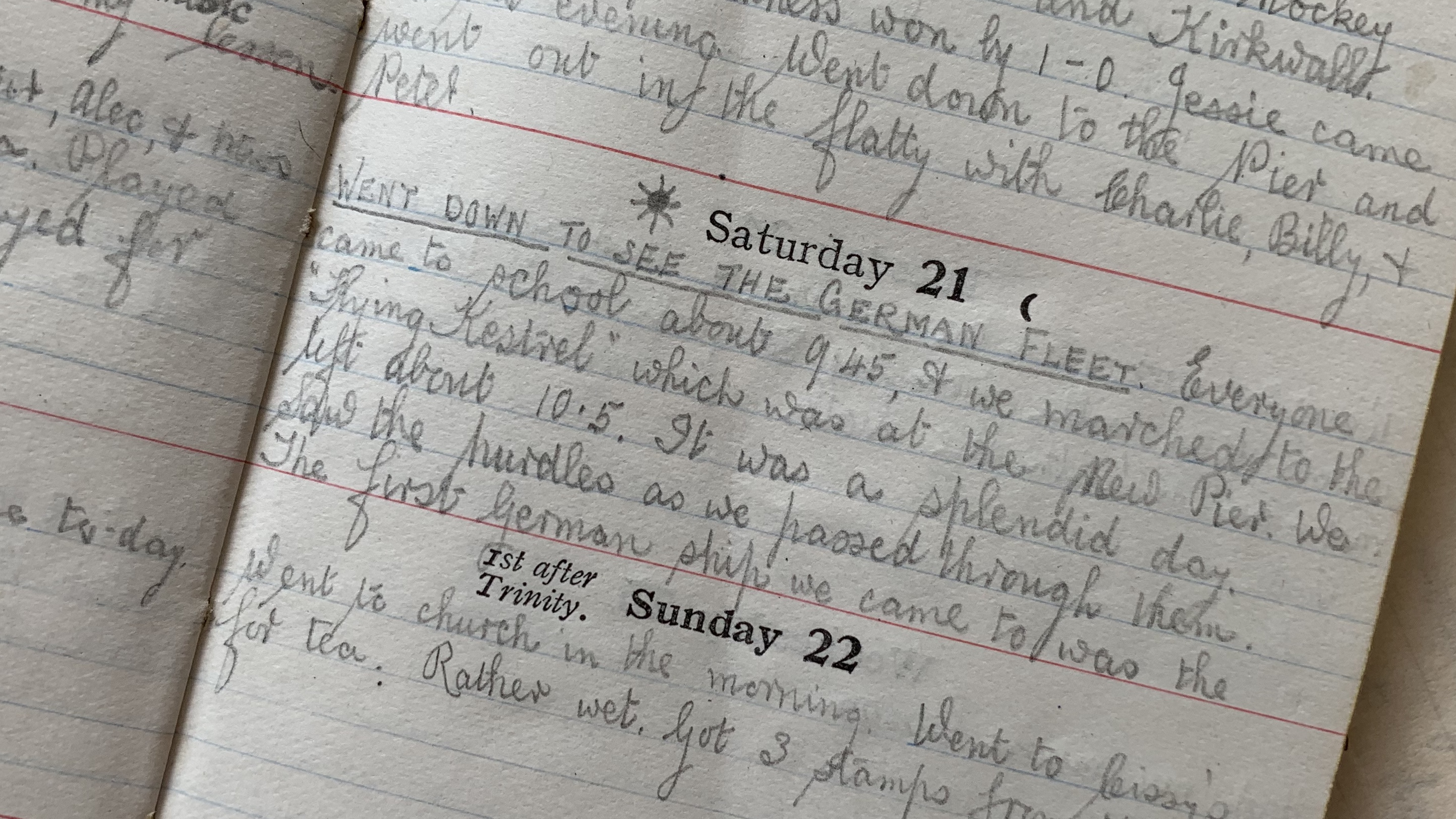
The interviews feature a wide range of accounts of people’s experiences, ranging from a wedding that was cancelled then salvaged, the first British civilian casualty of the Second World War, the creation of the Italian Chapel, and many more.
Ellen continued:
“Among the voices featured is the childhood recollection of eight-year-old islander Alfie Flett, who witnessed the aftermath of the sinking and the devastating loss of more than 800 lives. His story, alongside the many other powerful and deeply personal accounts in the collection, helps us understand the human experiences behind the history. We are delighted that Voices from Scapa Flow will be available to everyone, with remote access, preserving these remarkable memories and making them accessible to new audiences for generations to come.”
Key accounts within the series feature:
- The first civilian casualty: Susan Leonard and Pat Long recall the tragic night of 16 March 1940, when 15 German bombers attacked the islands, taking the life of James Isbister, the first British civilian killed in enemy action in WWII.
- The Italian connection: John Muir, now in his 90s shares the story behind Orkney’s world-famous Italian Chapel, built by POW Domenico Chiocchetti, and the lifelong friendship that was sparked between their families.
- Salvage diving dangers: Archival recordings of diver John Rosie describing the dangerous scuttled German fleet salvage operations in 1938 and his work on the battlecruiser Derfflinger.
- Island humour: Heartwarming memories of salvaged wartime weddings, childhood recollections of air-raid drills and barrage balloons, and local cultural traditions, from swinging swords to Orcadian dialect.
In addition to launching across all major podcast platforms, excerpts from the collection will be integrated into four brand-new listening stations on-site at the museum on Hoy.
For more information, visit: Voices from Scapa Flow